Repairs are stacking up. Or you're thinking about buying a used car. Either way, the real question is the same: which decision actually costs you less over the next year or two? Here's what the data says — and what we see on the ramp every day.
Workshop Service · Coventry
Get Car Diagnosed First →Facing a Big Repair Decision?
Get your current car diagnosed and appraised before deciding whether to sell or fix.
Free Tool · DVSA Data
Check a reg free →Free MOT History Check
See mileage timeline, passes, fails and advisories for any UK registration.
The UK used car market is enormous. According to SMMT, 7,807,872 used cars changed hands in 2025 — the third consecutive year of growth. With that kind of volume comes enormous pressure on buyers to make a quick decision. Most guides tell you what to look for. This one tells you how to decide whether to buy in the first place — and when to stop throwing money at the car you already have.
The UK Used Car Market Right Now
The average used car in the UK now costs £17,306, according to Auto Trader's Retail Price Index — based on 800,000 daily pricing observations and the highest sustained level in nearly three years. That figure resets the maths on whether a repair is cheap or expensive relative to replacement.
Buying a used car is not automatically the cheaper option it once was. According to ALA Insurance research, the average second-hand vehicle now costs close to £18,000 — compared to around £12,000 a decade ago, a 50% rise. Before you make a decision in either direction, you need to understand what depreciation, running costs, and the hidden risks of the used market actually look like in 2026.
What a Car Actually Costs to Own — The Number Most People Ignore
Most drivers think about the purchase price and the monthly fuel bill. The real figure is considerably higher. According to ALA Insurance, the average annual cost of car ownership in the UK now exceeds £11,500 — up from around £6,500 just ten years ago.
Even on more conservative estimates, a typical 5-year-old hatchback covering 12,000 miles a year costs between £4,220 and £8,750 annually when you include depreciation, fuel, insurance, road tax, servicing, and tyres, per AutoAlpha's 2026 running costs analysis.
The biggest hidden cost is depreciation. According to FreePlateCheck's cost of motoring data, it accounts for roughly 37% of total running costs — yet it's the cost most drivers never consciously calculate.
The Depreciation Sweet Spot: Why Age Matters More Than Mileage
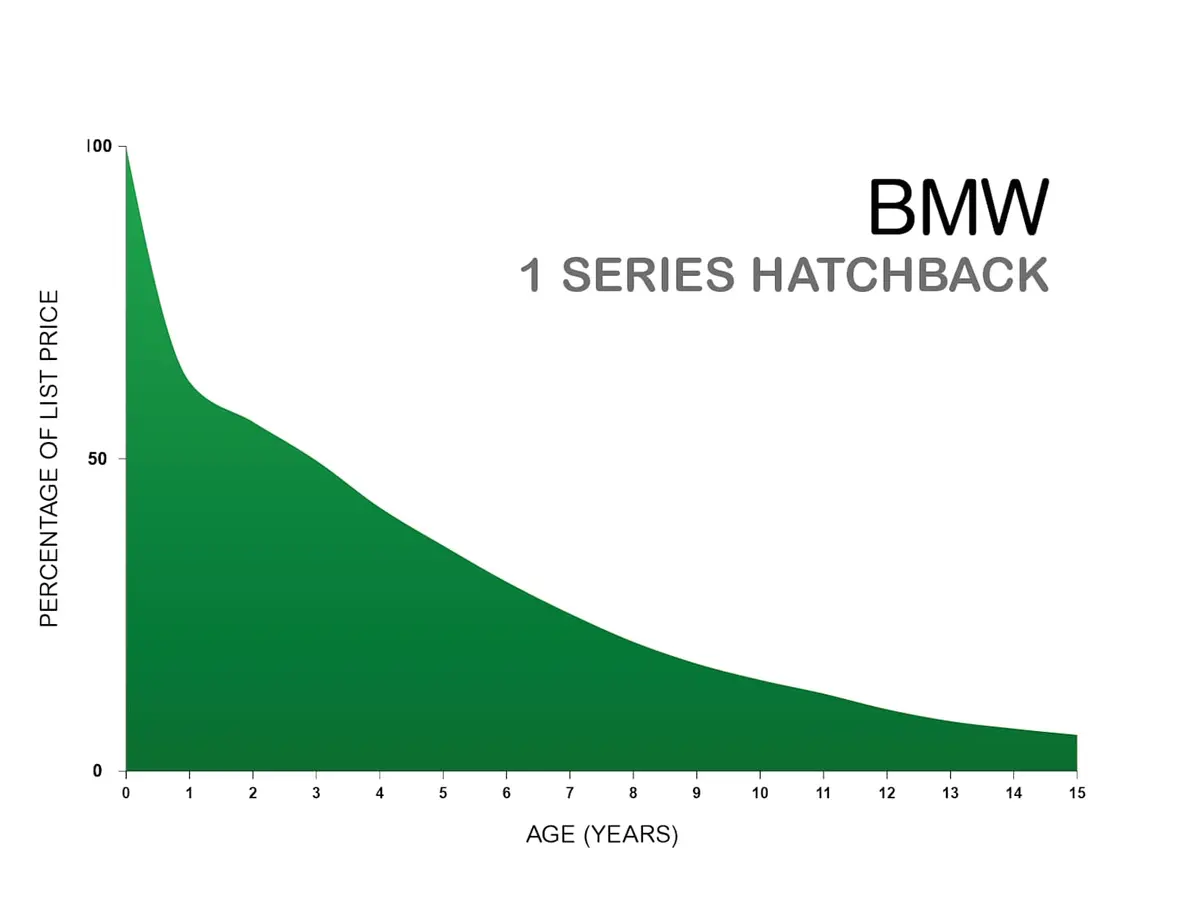
New cars lose value fast. A car bought new for £25,000 typically loses around £6,250 in the first year alone — roughly 25% of its value, per CarCostCheck's UK depreciation data. After three years, around 40–45% of the original value is already gone.
When you buy a car that is 3 to 5 years old, you're effectively buying someone else's depreciation loss. The steep early drop has already happened. Depreciation slows to around 8% per year in years 4 to 6, compared to 15–25% in years 1 to 3 — and for a £20,000 car, that difference is thousands of pounds a year.
| Model | 3-Year Depreciation | Rating |
|---|---|---|
| Toyota Yaris Hybrid | ~23% | Exceptional |
| Kia Sportage | ~28% | Very good |
| Toyota RAV4 Hybrid | ~29% | Very good |
| VW Golf | ~32% | Good |
| Ford Focus | ~40% | Average |
| BMW 3 Series | ~43% | Below average |
| Mercedes C-Class | ~45% | Below average |
The practical takeaway: a 3–5-year-old Toyota or Kia hybrid will cost you less in depreciation over the next three years than a nearly-new German premium car, regardless of the sticker price difference.
Mileage: What "Too High" Actually Means

The average UK car covers 7,200 miles per year according to Department for Transport National Travel Survey data — roughly 27% less than the 9,900-mile average recorded in 1990. Mileage should always be judged against age, not as a standalone number.
A simple formula: multiply the car's age by 7,000–7,200. That's roughly what average mileage looks like for any given year. A 4-year-old car with 28,000 miles is running well below average. A 4-year-old car with 60,000 miles has had a harder life — but context matters here too.
Motorway miles vs town miles is a more important distinction than the total figure. A diesel covering 80,000 miles of steady motorway driving will typically be in far better condition than a petrol with 40,000 miles of short urban trips. Short journeys don't allow the engine to reach operating temperature, accelerate brake and exhaust wear, and cause DPF problems on diesel engines. A full service history and MOT mileage consistency are better indicators of a car's true condition than the odometer reading alone.
The Hidden Risks in the Used Market — What the Data Shows
This is where many buyers get hurt. Independent data reveals the scale of the problem:
- 52% of used cars checked in an RAC sample of over 32,000 vehicles had at least one hidden history issue — meaning you're statistically more likely than not to encounter a problem car if you don't check.
- 14.2% had been written off by an insurance company at some point.
- 17.6% still had outstanding finance attached — meaning the car did not legally belong to the seller.
- 562,185 vehicles were recorded as written off in 2024 alone — roughly one every minute — a 46% rise since 2017, per DVLA Freedom of Information data.
- 16.25% of used cars in a CarVertical analysis of 2.5 million UK checks showed mileage discrepancies, per Auto Express. Buyers of clocked cars overpay by an average of £4,758 per car — totalling over £750 million annually across the UK.
According to AA Cars inspection data, 7 in 10 used cars assessed by AA inspectors have at least one mechanical fault. The most common include brake wear, suspension play, electrical diagnostic codes, and timing belts. A professional inspection is essential before you sign the paperwork.
When Keeping Your Current Car Makes Financial Sense
Repairing is often the smarter choice — particularly when:
- The repair cost is less than 50% of the car's current market value. This is the most widely used financial threshold for repair-vs-replace decisions. If your car is worth £5,000 and needs £1,500 of work, you are almost certainly better off repairing it — that same £1,500 buys very little on the used market in 2026.
- Your running costs are predictable. A known car with full service history and a mechanic who understands it will usually be cheaper over 12 months than an unknown used car potentially hiding £1,000+ of faults.
- The repairs are routine wear items. Brakes, tyres, exhausts, batteries, and clutches are normal wear — not signs a car is failing. Replacing these on an otherwise sound car is straightforward value.
- You would need finance to replace it. PCP rates have risen from 2–4% in 2016 to 6–9% in 2026. On a £15,000 car at 8.9% APR over 48 months, interest alone adds roughly £2,900 before a single service or repair.
When to Stop Repairing and Replace
There are clear signals that continuing to invest in a car no longer makes financial sense:
- Repair costs are approaching or exceeding 50–60% of the car's value in a single bill — or annual repair spend has grown to match the cost of a reasonable alternative.
- Structural or safety-critical faults are present. Frame corrosion, failing brake lines, severe structural accident damage, or compromised airbag systems are not worth patching. These affect safety and will fail an MOT regardless of money spent.
- Repeated failures in the same system. When the same component fails twice, or related components start failing in sequence — a failing clutch followed by gearbox issues, or recurring engine warning lights — you may be looking at end-of-life wear across a whole system.
- The car cannot pass an MOT economically. If the cost of making it roadworthy exceeds what the car is worth, it's time to move on.
Worth noting: the average UK car is now 9.7 years old — the oldest on record, per SMMT Motorparc 2025 data. Older cars are not automatically unreliable — but the probability of concurrent age-related failures increases, and parts and labour costs have risen sharply alongside general wage inflation in the motor trade.
What to Check Before Buying Any Used Car
Given the scale of hidden problems in the UK used car market, doing your own checks is essential — but it's not enough on its own.
Always check:
- MOT history via the DVLA's free MOT history checker — look for mileage consistency and recurring advisories.
- Vehicle history for outstanding finance, write-offs, stolen status, and plate changes (services like HPI or Experian AutoCheck).
- That the VIN on the V5C matches the car's windscreen, chassis plate, and door jamb.
On the car itself:
- Check panel gaps and paint depth for signs of undisclosed accident repairs.
- Look under the oil filler cap for milky residue — a sign of coolant mixing with oil and potential head gasket issues.
- Ask for any warning lights to be shown before the engine is warmed up.
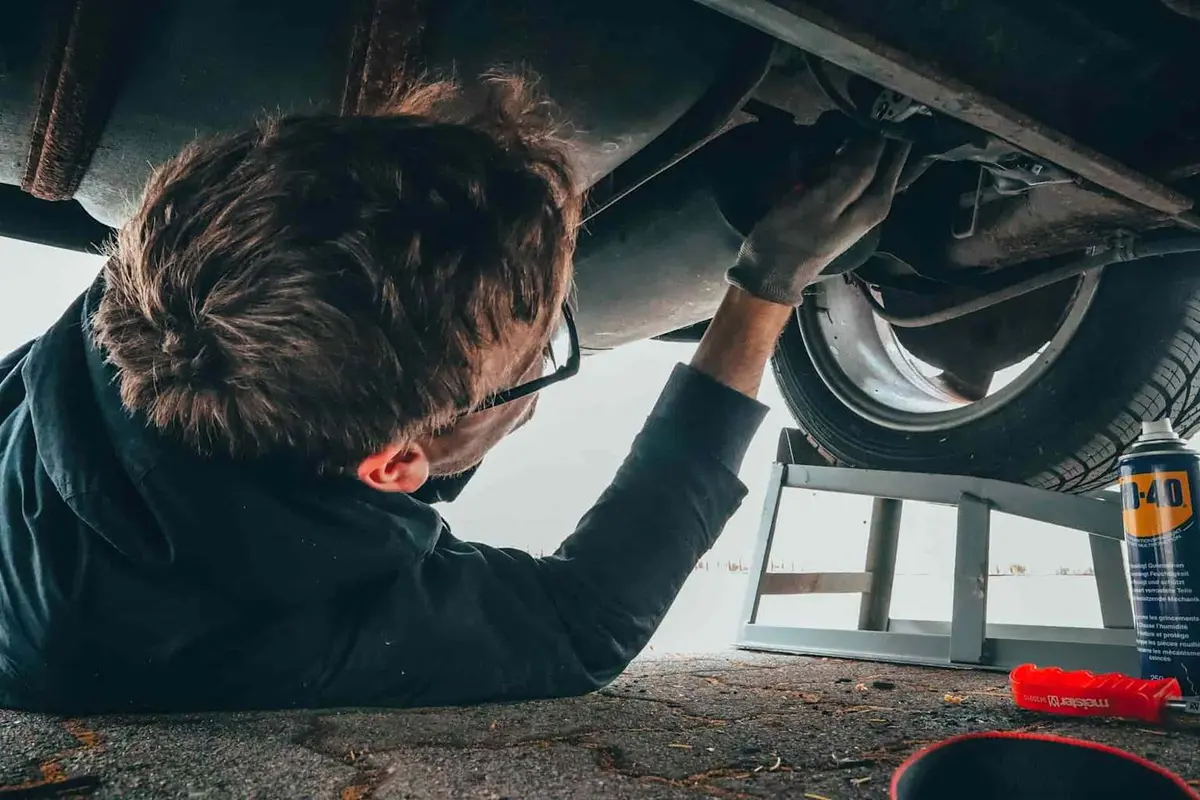
- Check under the car (safely) for corrosion, leaks, and uneven brake wear.
The 50% Rule
If a single repair costs more than half your car's current market value, repairing is almost always the financially sound choice. Below that, you're locking in predictable costs rather than taking a gamble on the used market.
The single step that most changes the risk profile is an independent pre-purchase inspection — particularly one that includes ramp access, an OBD diagnostic scan, and MOT history review. Spending £75–£150 before buying could save you £400 on brakes, £800 on a clutch, or far more if hidden finance, write-off history, or mileage fraud is involved.
The Bottom Line
Keeping a car you know, maintained properly, is almost always cheaper in the short term than replacing it with a used car you don't.
The used car market in 2026 is more expensive, riskier, and more heavily impacted by hidden history issues and mileage fraud than at any point in recent years. A 3–5 year old car with full service history and no hidden problems is still excellent value — but you need to verify it is one of those, not one of the 52% with a hidden issue.
When you do buy — buy smart. With a proper inspection behind you.
For workshop help with this issue, see our vehicle diagnostics and fault finding service.
Local Service Areas: We provide expert vehicle servicing, diagnostics, and repairs for drivers across the West Midlands. Whether you need a garage in Coventry, Solihull, Kenilworth, Berkswell, Meriden, or Balsall Common, our workshop is easily accessible.
Book a Pre-Purchase Inspection in Coventry
At The Motor Medics, our pre-purchase inspections include a visual check, ramp inspection, OBD scan, MOT-history review and straightforward feedback on what's a deal-breaker, what's negotiable, and what's just routine wear. No pressure, no padded quote, and no pretending a bad car is a good one.